
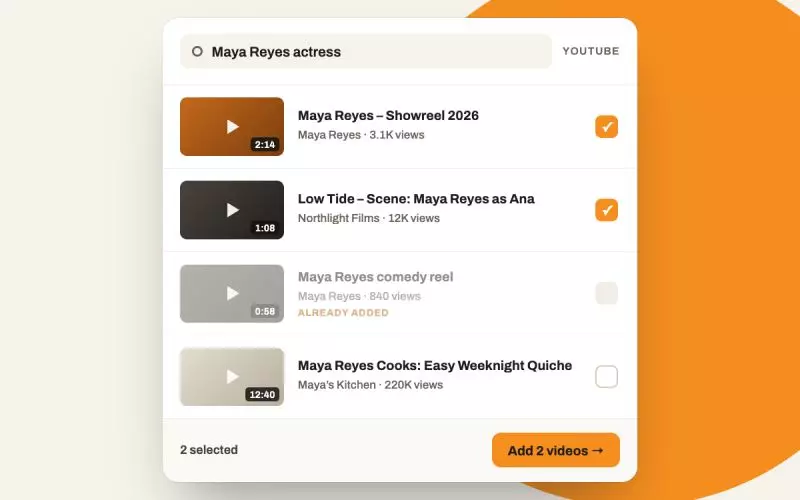
The Videos page only ever accepted a pasted address. So filling it meant leaving the admin, finding each video on YouTube, copying its address, coming back, pasting, saving, and doing that again for every clip.
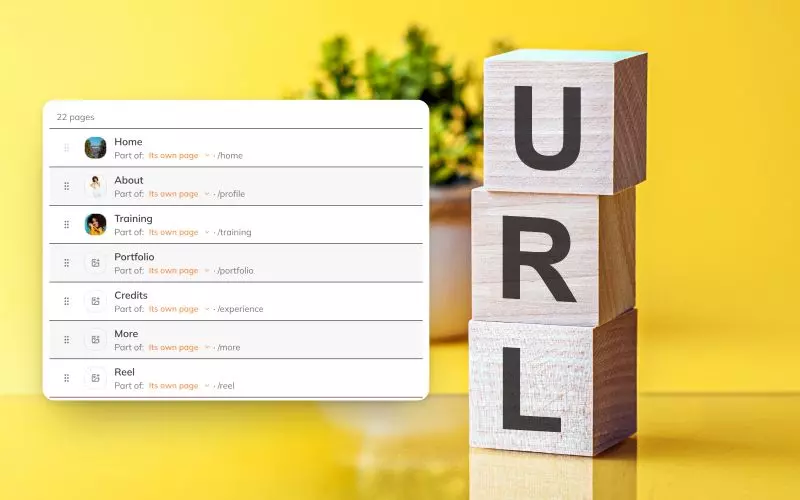
Every page on your website has its own address, and the shape of it is deliberately plain: your account name, then the name of the page.
A design in the catalog is a purchased theme with your account wired into it. That wiring is the work.
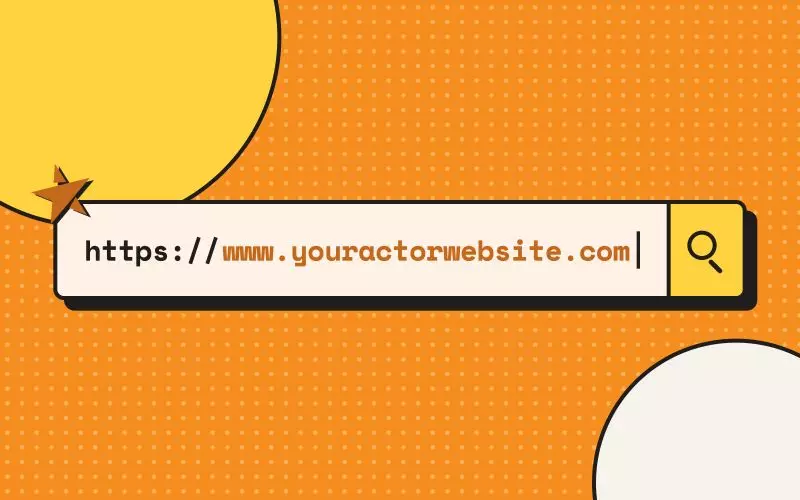
If you own a domain, you can point it at your actor website. Add it in your settings, make one change at your registrar, and it goes live once the change propagates.
You open a page, start reading, go to tap a link, and everything moves down the screen a fraction of a second before your finger lands. You tap the wrong thing.
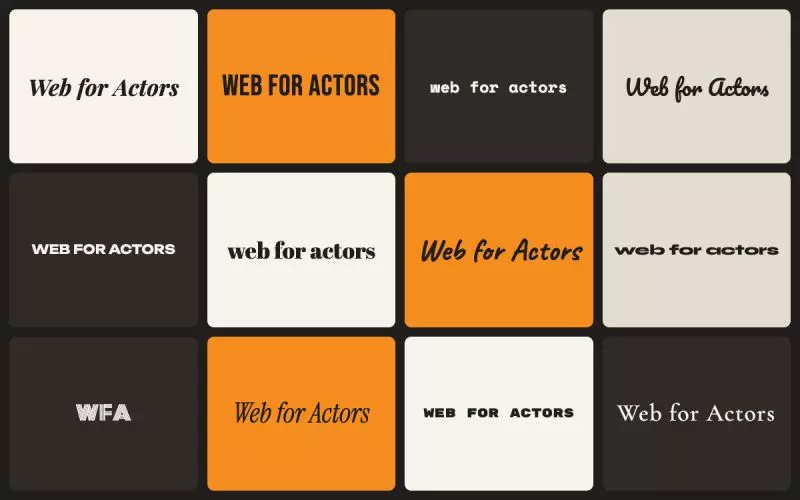
When a page uses a downloaded font, the text is painted first in whatever font is already on the device, then repainted when the real one arrives.
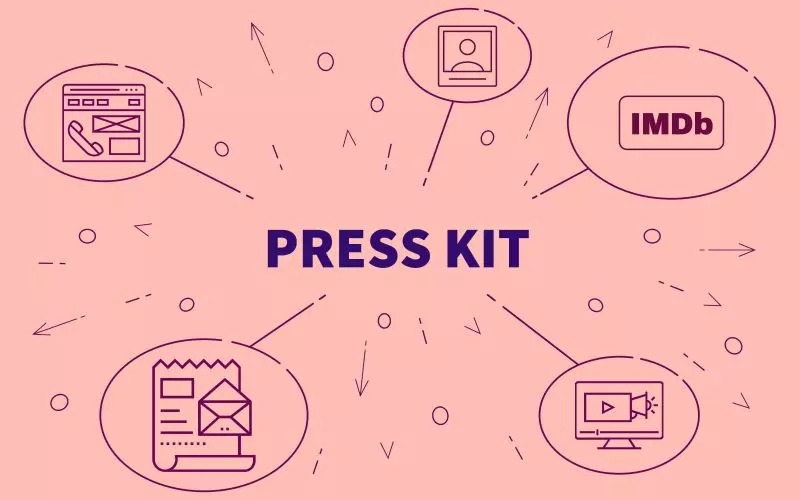
A press kit is the single link you send when somebody needs your material and you do not want to send five attachments.

Plenty of actors have analytics on their website and no idea whether it works. The tag is there, the page loads, and the reports stay empty.
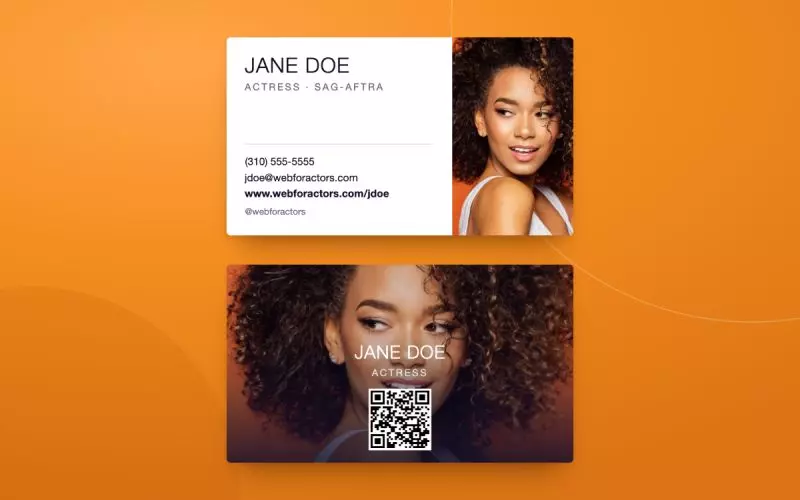
The Business Card Maker builds card art from what is already in your account. Your name, your site address, and your social handles come across without you retyping any of it.

On a finished resume, education and training sit next to each other and look like variations of one idea. You went somewhere, you studied something, there are dates.
An address on your own domain is the cheapest thing you can do that makes you look like you have been working longer than you have.

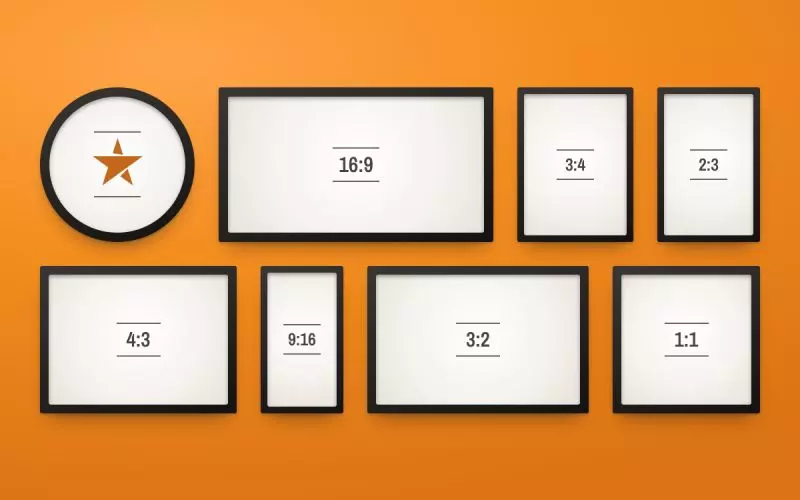
A working actor accumulates media faster than they expect. Two rounds of headshots, production stills from four jobs, a reel, three clips cut from the reel, behind-the-scenes photographs somebody sent you.