
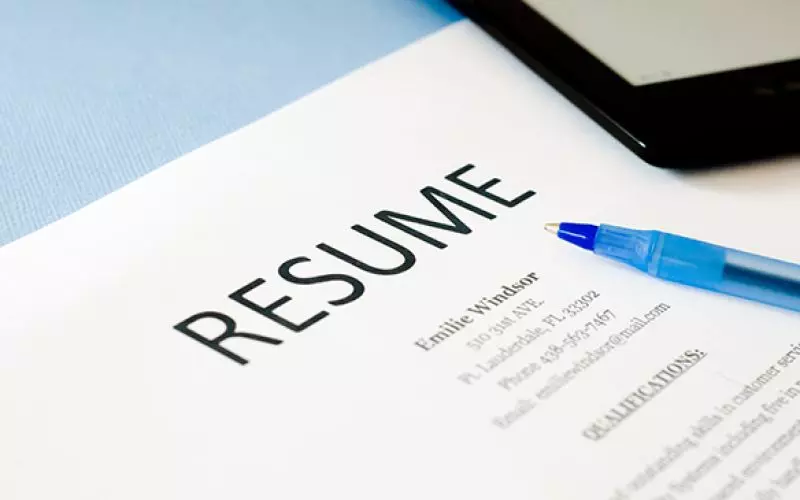
An acting resume has one job: to let somebody decide quickly whether to call you in. It is not a record of everything you have done, and treating it as one is the most common mistake on the page.
The order is the message
Credits go in order of what is most impressive, not what is most recent. A reader gives the top third of the page real attention and skims the rest. Putting a student film above a network credit because it happened later is a choice to hide your best work.
Group by medium. Film, television, theater, commercial, each as its own block. Mixing them forces the reader to sort your career in their head, and they will not.
What a credit line should contain
Four things, and nothing else: the production, your role or the size of it, the company or network, and the director. Drop anything you do not have rather than leaving a gap or writing "various".
Role size matters more than role name. "Lead" and "Supporting" tell a reader something. A character name on its own tells them nothing, because they have not seen the thing.
On commercials, say less
The convention is to write "Commercial conflicts available upon request" rather than listing them. This is not coyness. Listing a current conflict can cost you a booking with a competing brand, and listing expired ones dates your resume.
Training is a short section
Where you trained, who with, and any specific technique. Two to five lines. If you studied with someone whose name carries weight, use their name rather than only the institution.
A long training section on a thin credits list reads as what it is. One good teacher named plainly does more than a column of workshops.
Special skills, honestly
This section exists to get you booked for something specific, and it only works if everything in it is true at a professional standard.
If you list a dialect, you will be asked to do it in the room, cold. If you list horse riding, somebody will eventually put you on a horse. The line between "I can ride" and "I rode twice on holiday" is the line between a booking and a story people tell about you.
Cut anything that is not either genuinely useful or genuinely distinctive. "Driving license" is useful. "Good with people" is neither.
Two versions, always
You need your resume as readable text on your website, and as a PDF to download. They do different jobs and most people only have one.
The text version is what gets found. If somebody searches for a production you were in, a page with your credits as text can appear. A PDF is far less likely to, and an image of a resume is invisible.
The PDF is what gets forwarded. Somebody who likes you will attach it to an email and send it to a colleague, and that is the single most valuable thing that can happen to your resume. Make it one click to get.
The two must match. A website listing a credit your PDF does not is the kind of small inconsistency that makes a reader doubt the rest.
Formatting that survives contact with a printer
- One page. Until you genuinely cannot, and most people can for longer than they think.
- Your name largest, at the top. With your contact details or your agent directly underneath.
- No photo on the resume. The headshot is a separate thing and stapling them together is a regional convention, not a universal one.
- Readable at arm's length. If you shrank the type to fit everything on one page, cut credits instead.
- No tables that collapse. If you are building it in a word processor, open the PDF afterwards and check the columns still line up.
The thing to check today
Open the resume PDF on your own website, as a stranger would. Check that it downloads, that it opens, that the name on the file is your name rather than "resume-final-v3-NEW", and that the most recent credit on it is actually your most recent credit.
Broken or stale resume downloads are extremely common and nobody will ever tell you yours is one of them. They will simply move on to the next submission.
Finished reading? Build yours next.
It takes about 76 seconds and it starts free, with your credits, headshots and reels already in it.
Build mine free→